Italy Votes to Delay Shutdown of Coal-Fired Plants by 13 Years Amid Energy Crunch
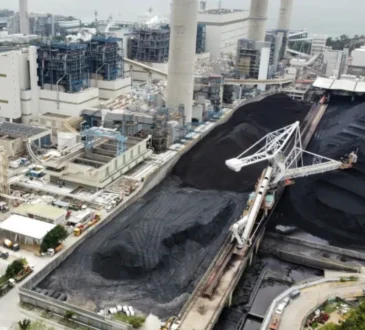
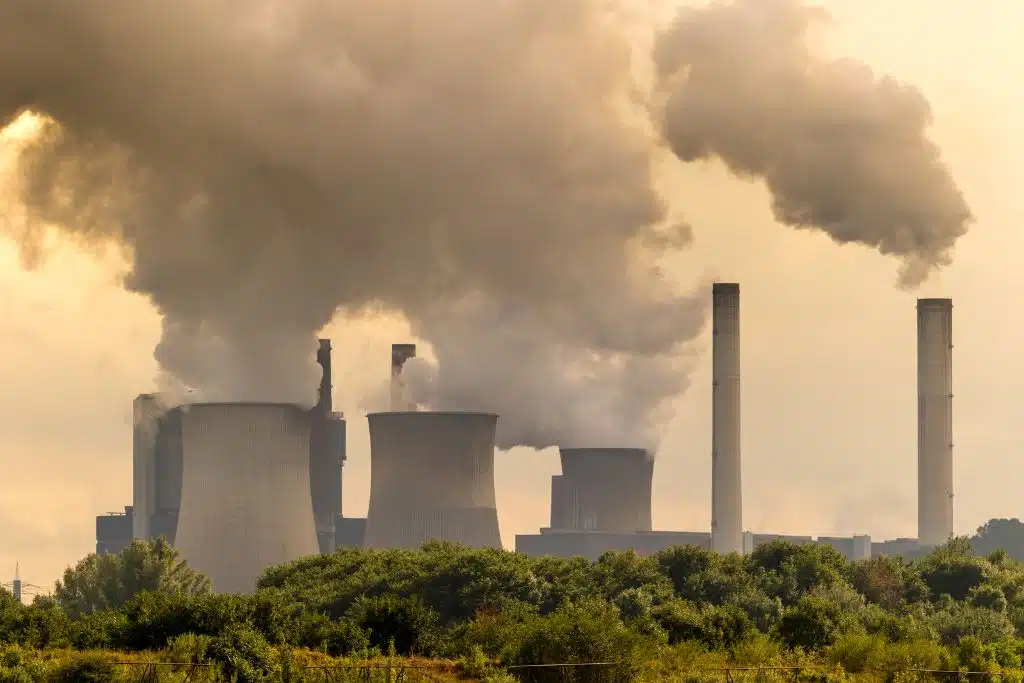
Italy is set to postpone the closure of its remaining coal-fired power plants until 2038 — a 13-year delay compared with its original plan — as the global energy crisis intensifies following the US-Israeli attacks on Iran.
Parliamentary vote extends coal use
On Tuesday, Italy’s lower house of parliament approved a measure extending the operation of the country’s four remaining coal-fired power plants, which are currently kept on standby.
Under the European Union’s National Energy and Climate Plan, Italy had originally committed to phasing out coal by December 2025. The new vote pushes that timeline back to 2038.
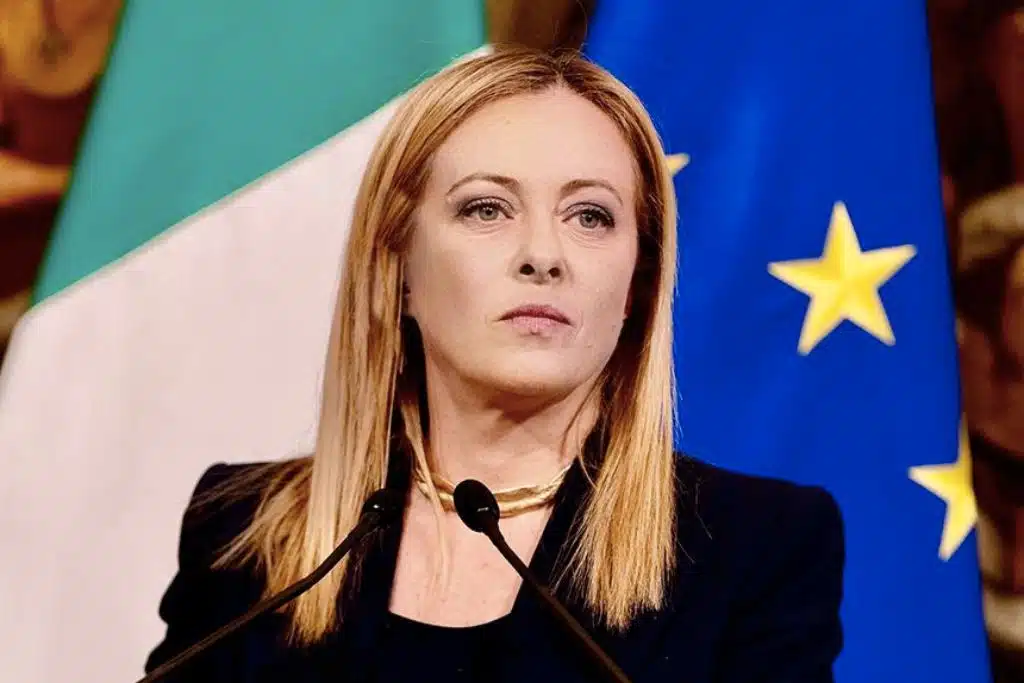
The proposal, backed by Prime Minister Giorgia Meloni’s right-wing governing coalition, now moves to the upper house, where it is expected to pass.
Energy crisis and geopolitical tensions
Supporters of the extension, including members of the right-wing populist League party, argued that the delay is necessary due to a “serious international energy crisis” triggered by escalating conflict involving Iran.
Following coordinated US and Israeli strikes, Iran reportedly restricted traffic through the Strait of Hormuz — a critical chokepoint for global energy trade. Around 20–25% of global oil supplies typically pass through the strait, and Italy relies on it for roughly 21% of its oil and gas imports.
The disruption has contributed to increased volatility in global energy markets, intensifying concerns over supply security across Europe.
Climate concerns and opposition
Environmental groups strongly criticised the decision, warning it will undermine climate progress and public health protections.
Coal remains the most carbon-intensive fossil fuel and a major source of air pollution linked to serious health risks.
Mariagrazia Midulla of WWF Italia described coal as a “real killer” for both climate and health. She argued that expanding renewable energy — as seen in countries like Spain — offers a more reliable path to energy independence, price stability, and long-term security.
She also rejected claims that the energy crisis justifies delaying coal phase-out, calling it “just an excuse” to prolong fossil fuel dependence.
Broader energy transition debate in Europe
The decision highlights diverging energy strategies across Europe amid global market instability.
Countries with higher shares of renewable energy, such as Spain, Portugal, and the United Kingdom, have been better able to buffer themselves from fossil fuel price shocks, thanks to stronger domestic clean energy production.
In the UK, for example, record wind power generation has helped reduce exposure to volatile fossil fuel markets while supporting electricity demand.
A recent report from the UK’s Climate Change Committee found that achieving net zero by 2050 would cost less than a single major oil price shock, reinforcing the economic case for long-term decarbonisation.
Energy security vs climate targets
The Italy decision reflects a broader global tension between short-term energy security concerns and long-term climate commitments.
While some governments are extending the life of fossil fuel infrastructure in response to supply disruptions, others are accelerating investment in renewables as a hedge against geopolitical instability and fuel price volatility.