The Case for More Wildlife Crossings
As human development continues to expand into natural landscapes, wildlife infrastructure — particularly wildlife crossings — is emerging as a practical solution to a growing ecological problem. These structures are designed to reconnect fragmented habitats and help restore ecosystem connectivity while reducing harm to animals.
Ecological corridors and why they matter
To understand the role of wildlife crossings, it is important to first define ecological corridors.
In simple terms, ecological corridors are natural pathways that allow animals to move between key habitat areas. These routes are shaped by features such as:
- terrain and elevation
- vegetation type
- water availability
- long-established migration patterns
Animals rely on these corridors to access essential resources such as food, water, shelter, and breeding grounds.
However, these systems are increasingly disrupted by human activity. Urban expansion — including highways, housing developments, and industrial infrastructure — has fragmented many of these natural pathways, isolating populations and reducing genetic diversity.
What wildlife crossings do
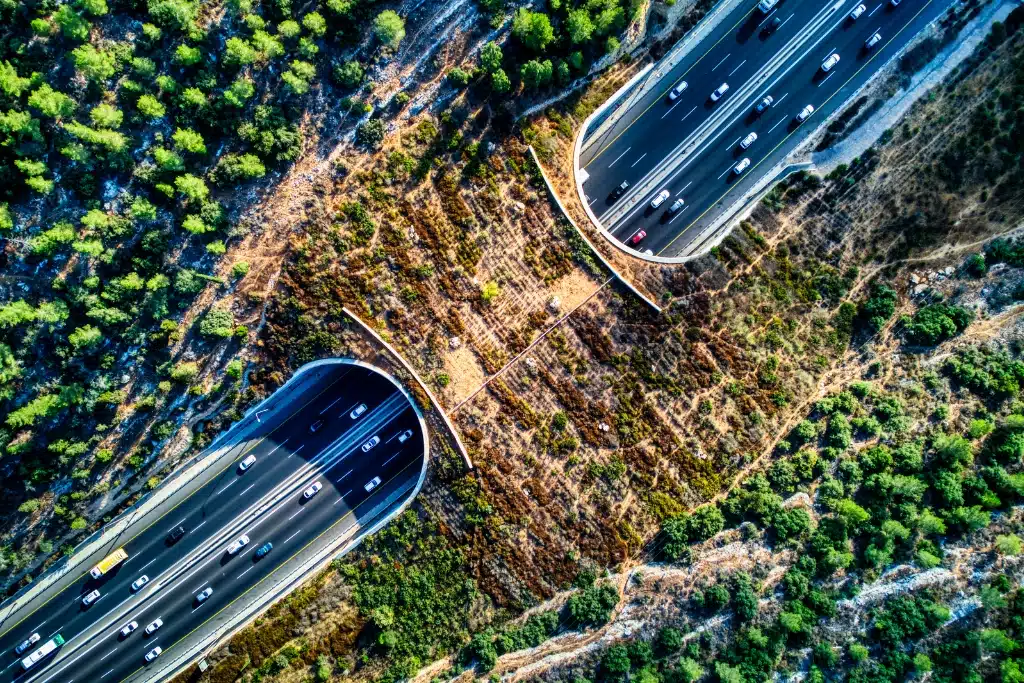
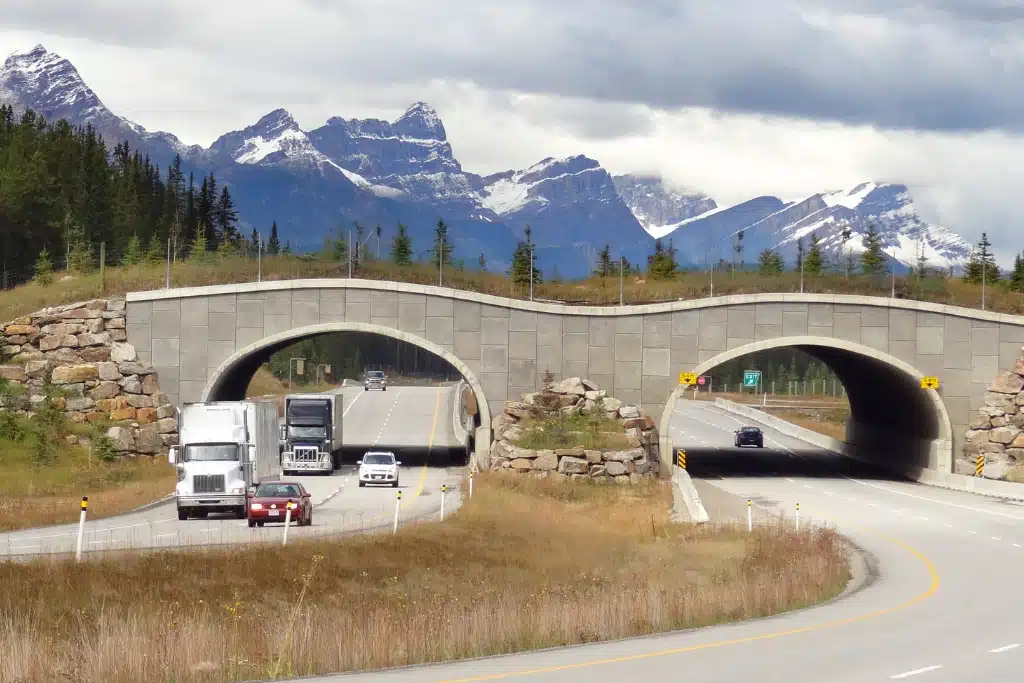
Wildlife crossings are engineered structures designed to restore connectivity between separated habitats.
They typically include:
- overpasses (vegetated bridges over roads)
- underpasses (tunnels beneath highways)
- culverts adapted for animal movement
These structures are strategically placed where roads or other infrastructure intersect major migration routes. Their purpose is to allow animals to safely cross human-made barriers without entering traffic.
Case study: mountain lions in California
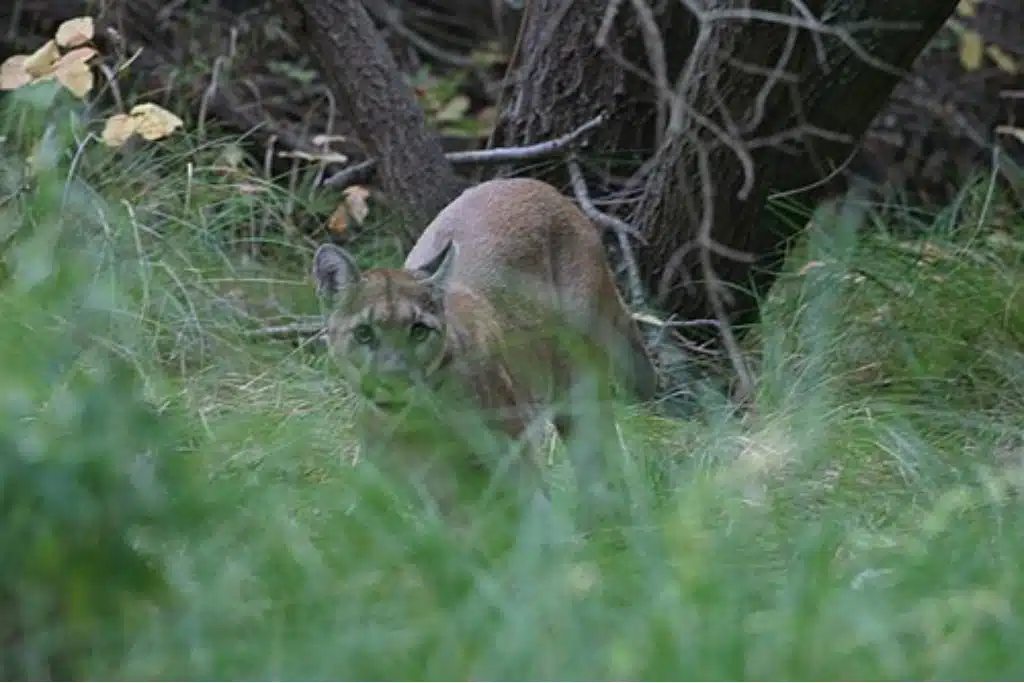
Mountain lions (also known as cougars or pumas) illustrate the consequences of habitat fragmentation.
These animals require large territories:
- males often range over 100 square miles (259 km²)
- females typically occupy 20–60 square miles
Because of their wide-ranging behavior, they are especially vulnerable to road networks that cut through their habitat.
In California, vehicle collisions have become a major threat. Between 2016 and 2023, at least 613 mountain lions were killed by vehicles.
These incidents also have broader consequences:
- increased property damage and medical costs (estimated at around $200 million annually)
- disruption of predator-prey balance
- ecological impacts such as overpopulation of deer and vegetation loss
Without apex predators like mountain lions, ecosystems can become destabilized, leading to overgrazing, soil erosion, and reduced biodiversity.
The role of wildlife crossings in restoring ecosystems
Wildlife crossings aim to reverse these effects by reconnecting fragmented populations.
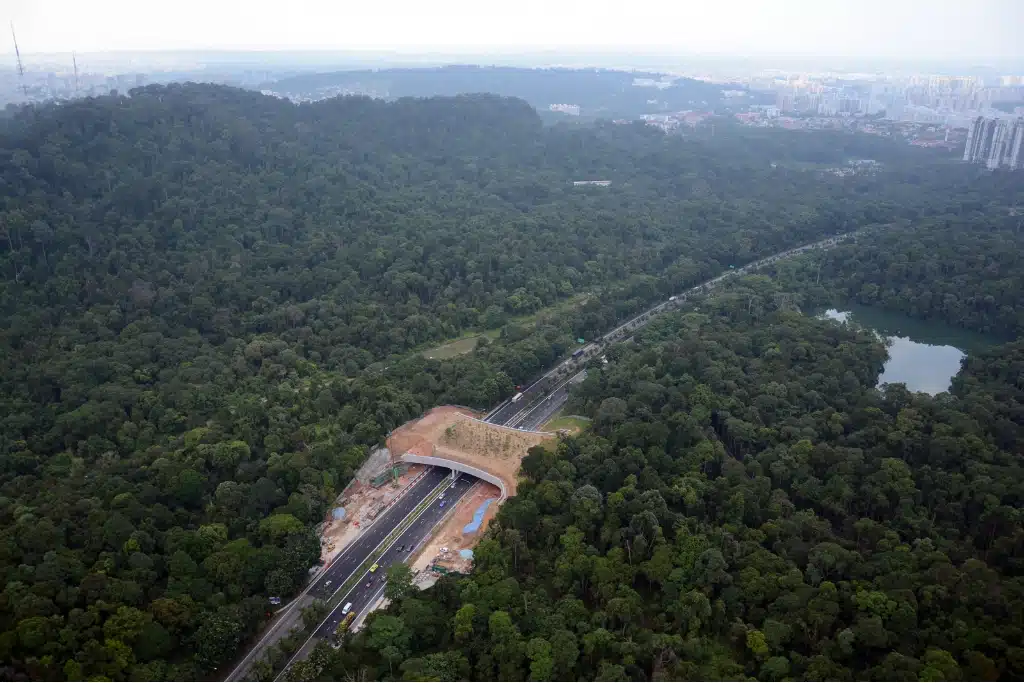
A notable example includes an overpass in Singapore linking rainforest reserves separated by a major highway, demonstrating that such infrastructure can function even in highly urbanized environments.
By restoring movement pathways, crossings help:
- maintain genetic diversity
- reduce wildlife-vehicle collisions
- stabilize predator-prey relationships
- support long-term ecosystem resilience
The Wallis Annenberg Wildlife Crossing
One of the most ambitious projects of its kind is the Wallis Annenberg Wildlife Crossing in Southern California.
Key details include:
- spans 10 lanes of the 101 Freeway
- measures approximately 200 feet (61 meters) long and 165 feet (50 meters) wide
- expected completion in late 2026
- cost exceeds $100 million
The project was first conceptualized in the early 1990s after conservationists identified the site as a critical wildlife movement bottleneck. After decades of planning and land acquisition challenges, construction began in 2022.
It is designed primarily to support species such as mountain lions, which depend on habitat connectivity across the Santa Monica Mountains region.
Early evidence of success
Evidence from similar infrastructure projects suggests strong ecological benefits.
For example, the Laurel Curve Wildlife Undercrossing on Highway 17, connecting Santa Cruz and Silicon Valley, has shown rapid adoption by wildlife. In its first year after completion, it recorded 934 animal crossings.
Such outcomes are encouraging for larger projects like the Wallis Annenberg crossing, which aim to scale these benefits across more complex landscapes.
Why wildlife crossings matter
Wildlife crossings are increasingly viewed not as optional conservation projects, but as essential infrastructure in fragmented ecosystems.
They provide a way to balance:
- expanding human development
- road safety and infrastructure needs
- long-term biodiversity protection
As ecosystems become more divided by human activity, these structures offer a rare opportunity to restore connectivity and reduce conflict between wildlife and infrastructure.
A model for coexistence
Wildlife crossings represent a shift in how infrastructure is designed — from simply accommodating human movement to integrating the needs of entire ecosystems.
While costly and complex, their long-term benefits include safer roads, healthier ecosystems, and more resilient wildlife populations.