‘Needless Cruelty’: Trump EPA Weakens Mercury and Air Toxics Standards for Coal Plants
The Environmental Protection Agency (EPA) has moved to weaken limits on mercury and other toxic air pollutants from coal-fired power plants, aligning the decision with the administration’s stated goal of “restoring American energy dominance” — a phrase it has repeatedly used to justify rolling back environmental protections despite rising climate and health concerns tied to fossil fuel use.
Rollback of Mercury and Air Toxics Standards (MATS)
Just days after announcing the repeal of the endangerment finding, the Trump administration has weakened another major environmental rule, this time targeting emissions of mercury and other hazardous air pollutants from coal plants.
On Friday, the EPA finalized the repeal of Biden-era updates to the Mercury and Air Toxics Standards (MATS), a policy that had strengthened limits on toxic emissions from coal-fired power plants. The rollback effectively allows higher emissions of mercury, nickel, arsenic, and lead — all highly toxic heavy metals linked to severe neurological, immune, respiratory, and organ damage.
The agency also removed requirements for power plants to maintain systems that continuously monitor pollution levels, reducing oversight of compliance with air quality standards.
Decision Announced at Coal Facility
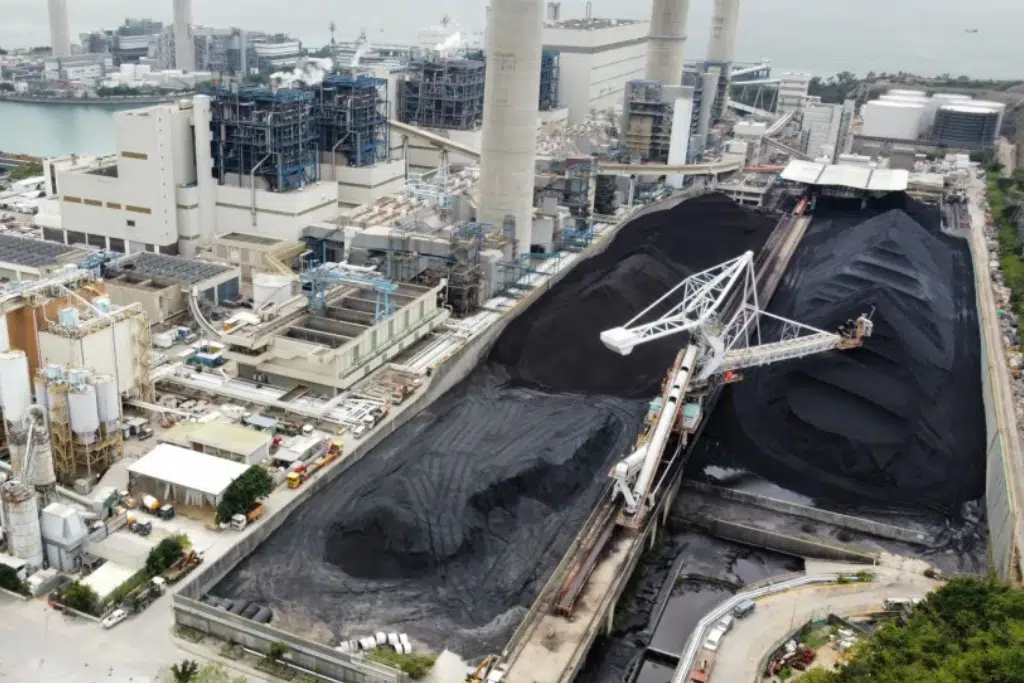
EPA Deputy Administrator David Fotouhi announced the change at the Mill Creek Generating Station, a large coal-fired power plant located near the Ohio River in Louisville, Kentucky.
Coal plants remain the single largest human source of mercury pollution. Mercury emissions from power generation can accumulate in ecosystems, contaminating soil and water and entering the food chain, particularly through fish consumption.
Health and Environmental Concerns
The original Mercury and Air Toxics Standards were first introduced in 2012 under the Obama administration and later strengthened in April 2024 under the Biden administration to reflect improved pollution control technologies.
Environmental and health impacts associated with mercury and related heavy metals are severe. Exposure can lead to neurological damage, developmental harm in children, and long-term damage to the digestive, immune, kidney, and respiratory systems. These pollutants also cause widespread ecological harm by contaminating wildlife habitats and aquatic systems.
Environmental groups sharply criticized the rollback, warning it would increase health-related costs and pollution exposure for communities living near coal infrastructure.

Strong Reactions From Environmental Groups
Surbhi Sarang, senior attorney at the Environmental Defense Fund, described the move as “needless cruelty.” She argued that coal plants are already capable of significantly reducing pollution using available technologies at reasonable cost, and warned that the burden would fall on families already exposed to industrial pollution.
Hayden Hashimoto, an attorney at the Clean Air Task Force, called the repeal “unprecedented, unlawful, and unjustified,” arguing it undermines legally mandated efforts to reduce hazardous air pollution from industrial sources.
EPA Justification and Policy Framing
In its announcement, the EPA stated that the Biden-era amendments were “unnecessary” and contributed to “significant regulatory uncertainty.” It also said the rollback supports the administration’s broader goal of “restoring American energy dominance,” a framing repeatedly used to justify easing restrictions on fossil fuel production and use.
Broader Regulatory Rollbacks
The decision comes shortly after several other major policy changes:
- The EPA recently repealed the endangerment finding, a foundational legal basis for regulating greenhouse gas emissions.
- Earlier this month, the president issued an executive order directing the Department of Defense to increase purchases of electricity from coal-fired power plants.
Together, these actions signal a broader shift in federal energy and environmental policy toward increased reliance on coal.
Coal, Climate, and Energy Transition Context
Coal remains the most carbon-intensive fossil fuel and is responsible for a significant share of global emissions. It is estimated to account for roughly 40% of fossil fuel carbon emissions and has contributed substantially to long-term global temperature rise since the Industrial Revolution.
Despite its environmental impact, coal use is declining in many countries as energy systems shift toward cheaper and lower-emission sources such as natural gas, wind, and solar power.