On the Frontlines of Ocean Warming, Maine Plans for What Comes Next
The Gulf of Maine’s iconic wildlife — from North Atlantic right whales and seabirds to valuable fish stocks and lobsters — is under increasing threat from ocean warming. This region is warming faster than nearly any other ocean surface on Earth.
A “sea within a sea” under pressure
The Gulf of Maine stretches along the eastern seaboard from Cape Cod, Massachusetts, to New Brunswick, Canada. Often described as a “sea within a sea,” it has long supported rich marine biodiversity and productive fisheries.
Its ecosystem is shaped by the interaction of major ocean currents: the warm Gulf Stream, the cold Labrador Current, and local counterclockwise coastal flows. These currents once created a stable mix of temperate conditions and nutrient supply.
But that balance is shifting.
The Gulf is now warming at an exceptional rate, disrupting marine habitats and contributing to sea level rise. Scientists compare the system to a bathtub with changing hot and cold inputs: as the Labrador Current weakens, warming increasingly dominates, reshaping both ecosystems and coastal economies.
Rising temperatures and ecological change
According to the Gulf of Maine Research Institute (GMRI), the region experienced its twelfth-warmest year on record in 2024. Even gradual warming trends are expected to have major consequences for fisheries and coastal communities across New England.
The impacts are already visible in the food web. Cold-water species such as herring are declining, while warm-water species like butterfish are expanding their range.
These shifts ripple through the ecosystem. Puffins, for example, are struggling to adapt their feeding patterns to changing prey availability. At the same time, invasive species such as green crabs are establishing themselves and damaging eelgrass beds, which serve as critical habitat for juvenile marine life.
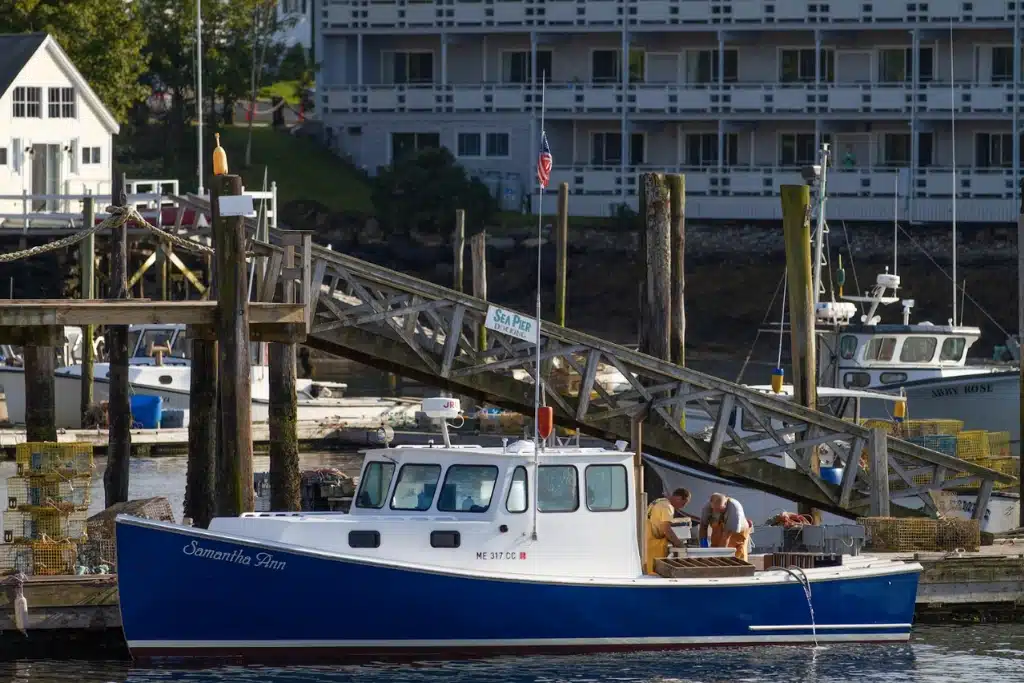
The consequences extend beyond ecology. Maine’s climate action planning has placed increasing emphasis on ocean change, particularly because of its economic importance — including a lobster industry worth hundreds of millions annually and a tourism sector worth billions.
Lobsters and shifting food webs
Warming waters are affecting a wide range of species, including the endangered North Atlantic right whale, which depends on copepods for food. As ocean temperatures rise, zooplankton populations are changing in quality and distribution, reducing food availability.
Lobsters are also impacted. They rely on Calanus copepods, and warming has shifted seasonal timing in ways that disrupt the synchronization between larval release and food availability.
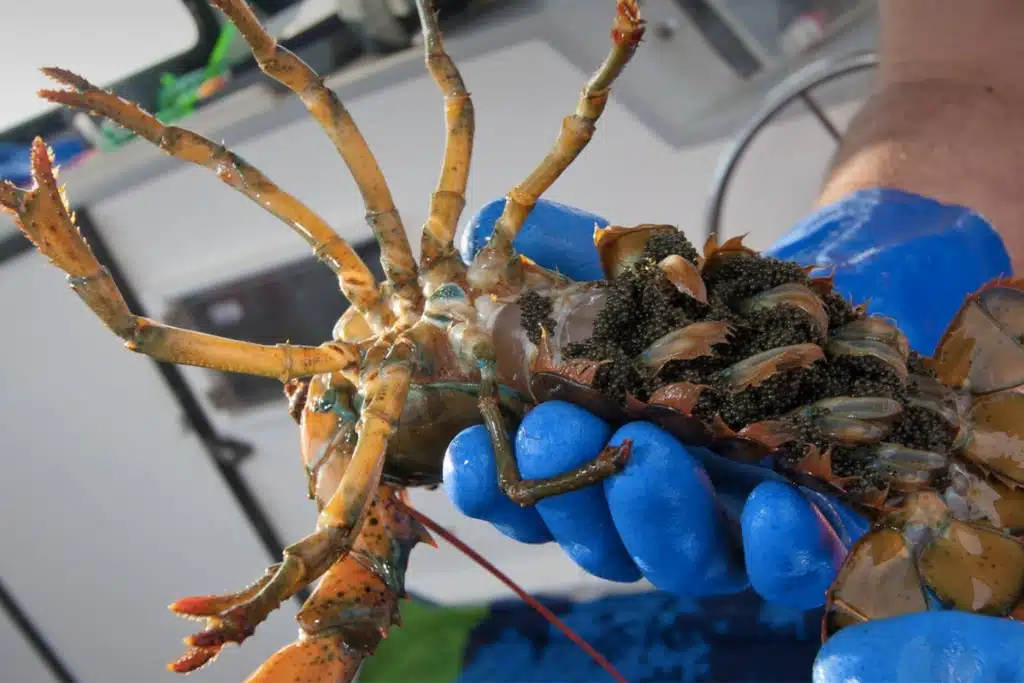
Although current Gulf temperatures still support lobster reproduction, scientists have observed concerning trends. While egg production has remained stable, fewer juvenile lobsters are surviving to adulthood.
Historical patterns show that warming in the 1980s contributed to lobster population growth. However, projections toward 2050 suggest that sustained high temperatures could place significant stress on the species. Warmer waters weaken lobster immune and respiratory systems and reduce access to suitable prey.
Species shifts and adaptation in fisheries
The Gulf of Maine is also experiencing noticeable changes in species distribution.
Under the Integrated Systems Ecology Lab, researchers study how ocean temperature and salinity changes affect fisheries and ecosystem structure. They combine long-term environmental monitoring with statistical modeling to understand population dynamics and predict future changes.
Fishermen are already adapting. Some are shifting target species depending on season and location, while others are diversifying into new activities such as kelp aquaculture.
Since the major 2012 marine heatwave — which brought unusual species like squid closer to shore and contributed to declines in northern shrimp — the system has continued to evolve.
Warm-water species such as black sea bass, menhaden, and blue crabs are becoming more common in the region, while invasive species like green crabs are expanding their impact on shellfish and eelgrass ecosystems.
Documenting long-term change
Researchers emphasize that while there were temporary cooling periods in 2023 and 2024, the long-term trend in the Gulf of Maine remains clear: ongoing warming.
Scientists recall 2012 as a turning point, when heatwave conditions caused major disruptions in species distribution and fisheries supply chains. Lobster landings surged so rapidly that processing systems became overwhelmed, creating market bottlenecks.
Since then, fisheries have become more adaptable, adjusting to shifting environmental conditions more quickly.
Long-term datasets are essential for tracking these changes, even though they are expensive to maintain. They help identify ecosystem shifts that would otherwise remain hidden.
Ecosystem change and human dimension
Researchers also highlight changes in species such as cod, which are declining at the southern edge of their range in Maine due to warming waters exceeding their thermal limits.
At the same time, warmer conditions are attracting species typically found farther south, including blue crabs and black sea bass.
According to researchers, these shifts illustrate how climate change is reorganizing entire marine ecosystems rather than simply reducing biodiversity.
Coastal flooding and climate adaptation
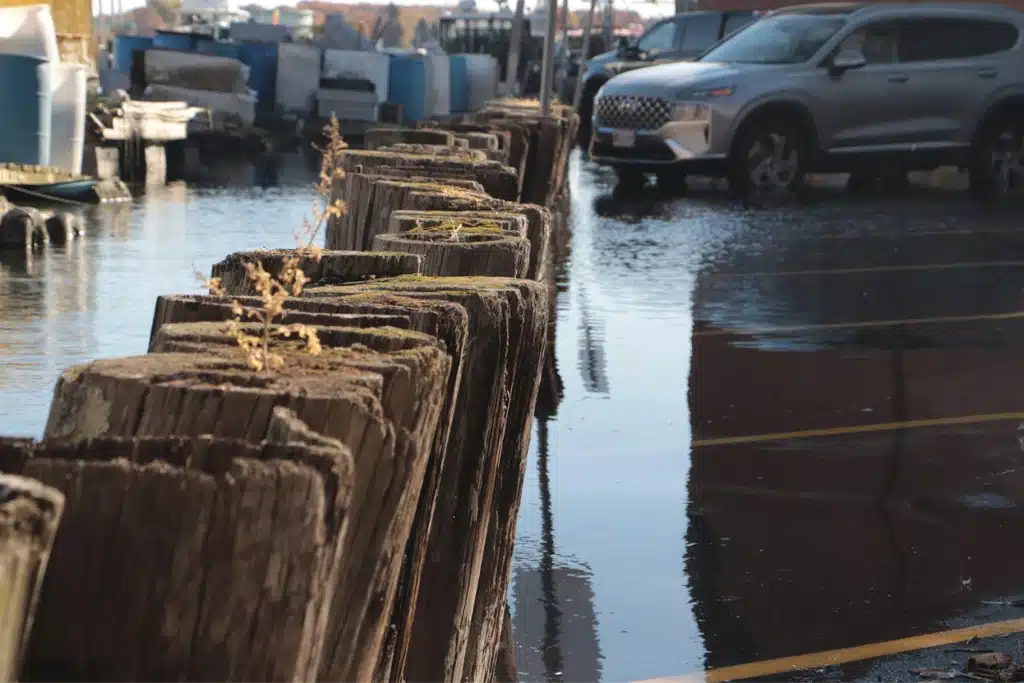
In addition to ecological impacts, Maine is increasingly confronting physical risks from sea level rise and coastal flooding.
Researchers working on flood modeling and coastal planning are helping translate scientific data into practical tools for policymakers and local governments.
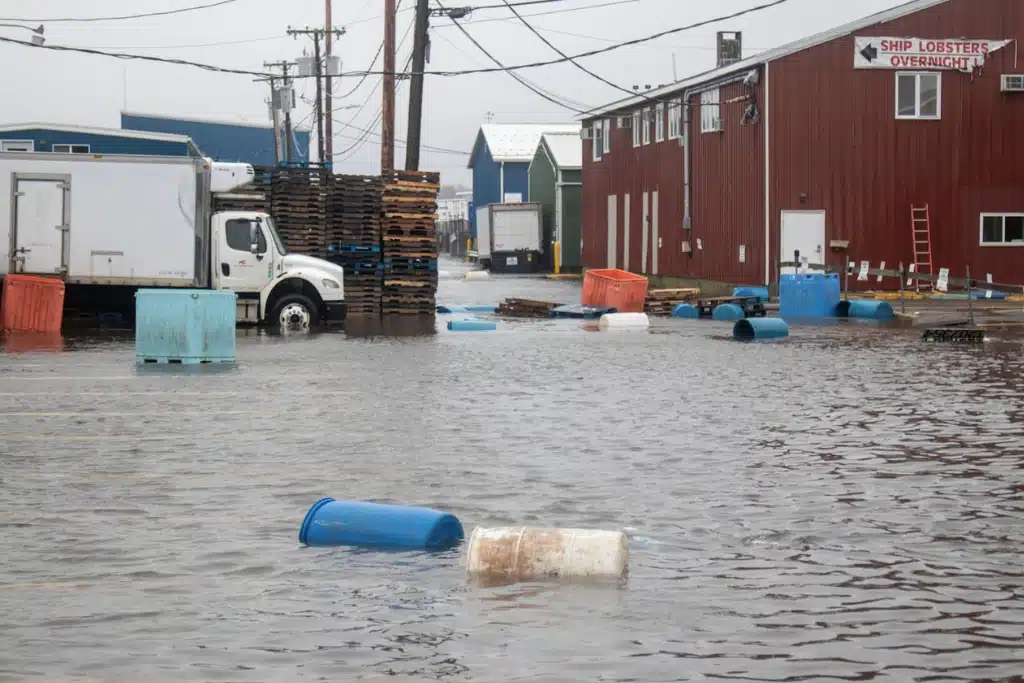
The state has moved from uncertainty about future impacts to immediate adaptation planning. Recent coastal flooding events in 2022 and repeated storm systems in 2024 have accelerated this shift.
Maine’s climate strategy includes planning for approximately 1.5 feet of sea level rise by 2050 and up to 4 feet by 2100. These figures remain uncertain but serve as planning benchmarks.
Flood risk is being incorporated into infrastructure planning, including updated flood maps and state transportation models designed to support local resilience strategies.
Economic costs of rising seas
Coastal flooding already has significant economic consequences. Winter storms in 2024 alone caused tens of millions of dollars in damage to public infrastructure, excluding private losses and insurance gaps.
Insurance coverage often does not fully compensate for flood damage, making repeated repairs increasingly expensive for coastal residents.
Planners are now considering more transformative responses, including elevating infrastructure, redesigning road networks, and in some cases, relocating vulnerable assets.
Building coastal resilience
Despite increasing risks, Maine is often cited as a leader in climate adaptation.
Portland, for example, is actively investing in climate resilience through infrastructure upgrades, electrification of transport, and protection of its working waterfront.
Urban planning initiatives such as ReCode Portland are updating zoning regulations to incorporate flood risk and climate projections while also improving housing and public space design.
State-level policies, including those developed by the Maine Climate Council, are integrating sea level rise projections into legal and planning frameworks.
These efforts aim to ensure that development decisions account for long-term climate risks, including sea level rise projections extending beyond 2100.
Living with rising seas
Researchers warn that coastal flooding events currently considered extreme will become increasingly routine over time.
As sea levels rise, even moderate storm surges will have greater impacts. The combination of higher baseline water levels and storm events will significantly increase flood risk along the coast.
A key insight from researchers is that adaptation must account not only for gradual change, but also for the compounding effects of tides, storms, and long-term sea level rise.
Hope through action and agency
Despite the scale of the challenge, researchers and planners emphasize the importance of human agency in responding to climate change.
Small actions — from local advocacy to community engagement — are seen as meaningful contributions to broader systemic change.
The central message emerging from Maine’s experience is that climate adaptation is already underway. While impacts are global, local responses grounded in science, policy, and community engagement can shape outcomes.
Maine’s approach may serve as a model for other coastal regions facing similar challenges in the coming decades.