Nature’s Blueprints Are Disappearing, and Our Children May Never Know What We Lost
Biologically inspired design transforms nature’s 3.8 billion years of evolutionary “research” into human innovation. Yet as species disappear and children spend significantly less time outdoors, there is growing concern that humanity may be severing the pipeline that turns natural observation into sustainable technological breakthroughs.
Protecting biodiversity and restoring children’s access to the natural world are therefore framed not only as environmental priorities, but also as essential conditions for future human ingenuity.
Nature as an innovation system
Japanese engineer Eiji Nakatsu famously redesigned Japan’s Shinkansen high-speed railway by drawing inspiration from the kingfisher’s beak. The modification reduced tunnel noise while improving aerodynamics, making the train roughly 10% faster and 15% more energy efficient.
This approach — known as biomimicry — involves studying and imitating nature’s designs, systems, and processes to solve human problems. While the idea has historical roots (including sketches by Leonardo da Vinci), it has gained scientific and industrial momentum in recent decades.
Nature’s “R&D department”
Biomimicry examples are widespread:
- Velcro was inspired by plant burrs sticking to animal fur
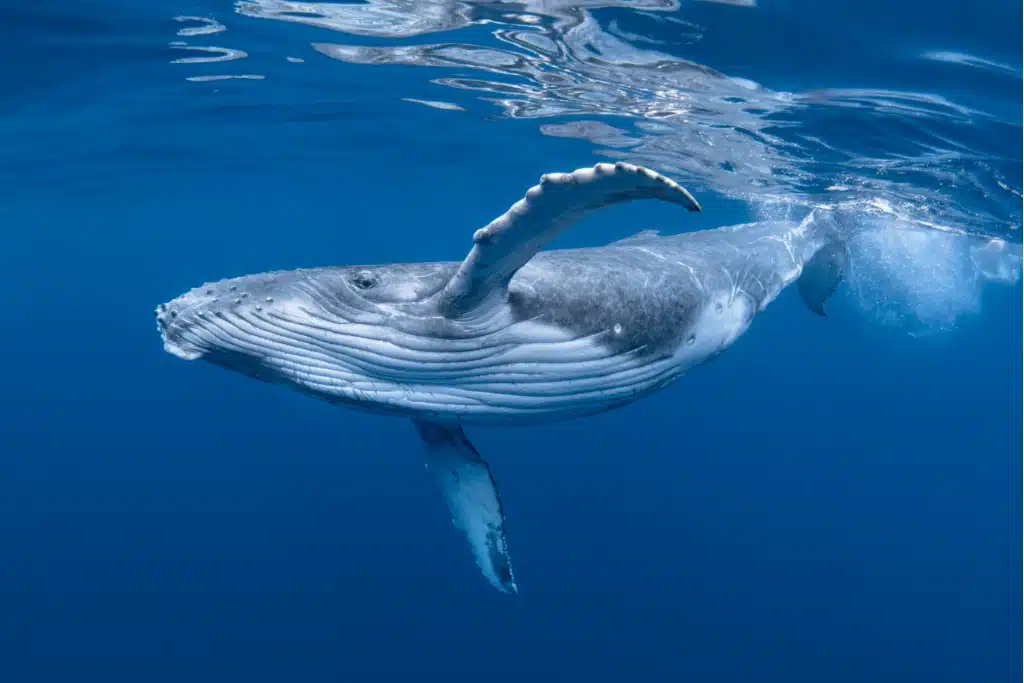
- Humpback whale flippers influenced more efficient wind turbine designs
- Cone snail venom led to a painkiller far more potent than morphine
- Horseshoe crab blood remains essential for testing medical equipment safety
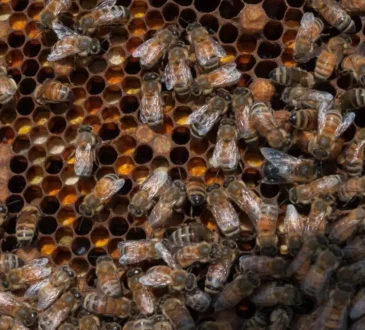
These innovations often come not from well-known species, but from overlooked organisms whose biological adaptations contain highly specialized solutions. The key factor is human observation — someone noticing and investigating what nature is doing.
An accelerating loss of biodiversity
Extinction rates are estimated to be 100–1,000 times higher than natural background levels. Scientific assessments suggest that around one million species are currently at risk of extinction within coming decades, while global vertebrate populations have declined dramatically since 1970.
Each species lost represents more than ecological disruption. It also removes potential biological knowledge — solutions that humanity may never discover because the organisms that contain them no longer exist.
The “screen generation” and reduced contact with nature
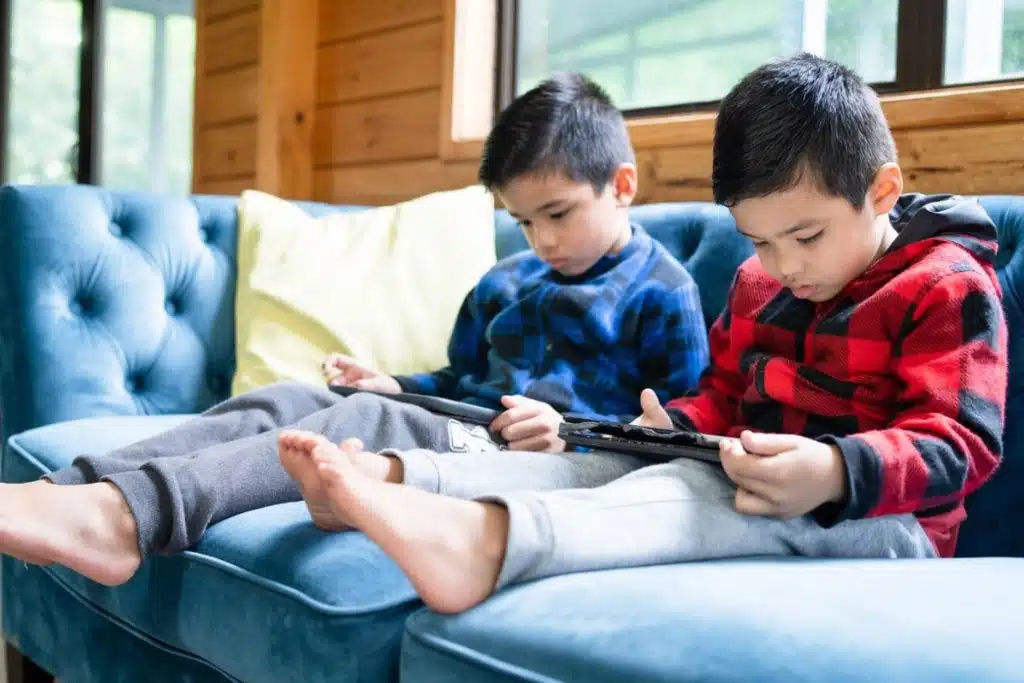
At the same time, children are increasingly disconnected from the natural world.
Research shows that:
- Children and teenagers spend several hours per day on screens, a trend that increased after the COVID-19 pandemic
- Children today spend about 50% less time in unstructured outdoor play compared to the 1970s
- Only about 27% of children regularly play outside their homes, compared with roughly 80% among baby boomers
This shift has implications for how future generations develop curiosity and observational skills.
Why childhood experience matters for innovation
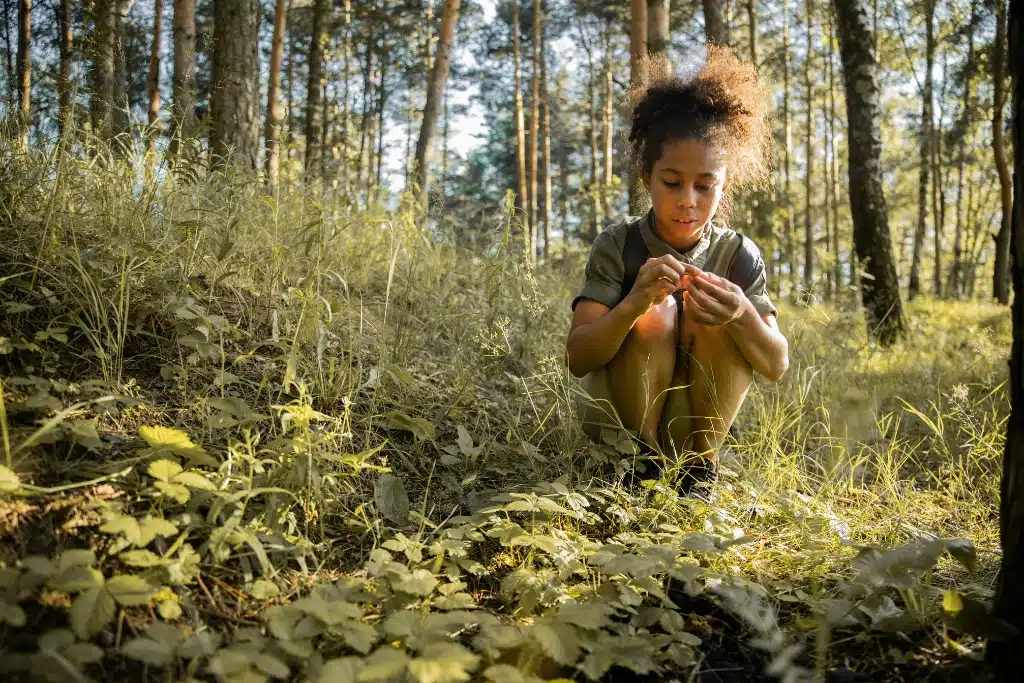
Many scientists and naturalists built their foundational curiosity through direct contact with nature. Figures such as Charles Darwin, Jane Goodall, and biomimicry researcher Janine Benyus all developed observational habits rooted in outdoor exploration.
Biomimicry depends on early-developed abilities such as:
- Careful observation of natural systems
- Pattern recognition across biological processes
- Systems thinking about ecological relationships
- Curiosity driven by direct experience rather than abstract instruction
A child observing how a gecko climbs glass or how a spider web withstands wind is engaging in a form of inquiry that can later translate into scientific or engineering innovation.
What is being lost
The article argues that replacing direct nature experience with screen-based interaction risks transforming children from “discoverers” into “consumers” of nature.
Without exposure to living systems, opportunities to develop intuitive understanding of biology, physics, and ecosystems may be reduced — along with the likelihood of future biomimetic innovation.
Reconnecting children with the natural world
Efforts are underway globally to reverse this trend, including:
- Biomimicry programs integrated into school STEM education
- Forest schools and outdoor learning initiatives
- Citizen science projects and biodiversity “bioblitz” events
These programs aim to restore direct engagement with nature as a foundation for learning and curiosity.
Proposed solutions
The article outlines several policy and societal priorities:
1. Protect biodiversity
Each preserved species is seen as a potential source of future scientific and technological insight.
2. Expand nature-based education
Schools should integrate regular outdoor learning and biomimicry concepts into curricula, rather than treating nature as an occasional field trip subject.
3. Redesign urban and childhood environments
Cities and communities should prioritize green spaces and encourage unstructured outdoor play alongside responsible limits on screen time.
4. Improve equitable access to nature
Access to safe, nearby natural spaces must be expanded, especially for children in urban or disadvantaged communities.
5. Make the value of nature visible
Public communication should emphasize that biodiversity is not only ecological heritage, but also a reservoir of future innovation.
A broader warning
The article closes with a central question: when children no longer regularly observe birds, insects, or plants with curiosity, society may face not only an environmental loss but also an innovation deficit.
It frames the natural world as humanity’s most important “laboratory” — one that is being gradually closed through species loss and declining human engagement.
The key uncertainty, it suggests, is whether society will recognize this loss in time to reverse it.