One Man’s Innovative Solution to Protect Bee Colonies from Flooding
A new beehive design could help protect colonies from increasingly frequent flooding and extreme storms, as global bee populations continue to decline under pressure from climate change and human activity.
Flooding disasters and collapsing hives
In late October and early November, widespread media coverage of Hurricane Melissa showed severe destruction across the Caribbean. Alongside damaged homes, flooded roads, and disrupted infrastructure, bee colonies were also heavily affected.
Reports indicated that thousands of beehives were destroyed. With trees and flowering plants uprooted or submerged, bees were left without reliable access to pollen, placing colonies at risk of starvation.
As extreme weather events become more frequent and intense, similar losses are being reported in other regions worldwide.
A beekeeper inspired to innovate
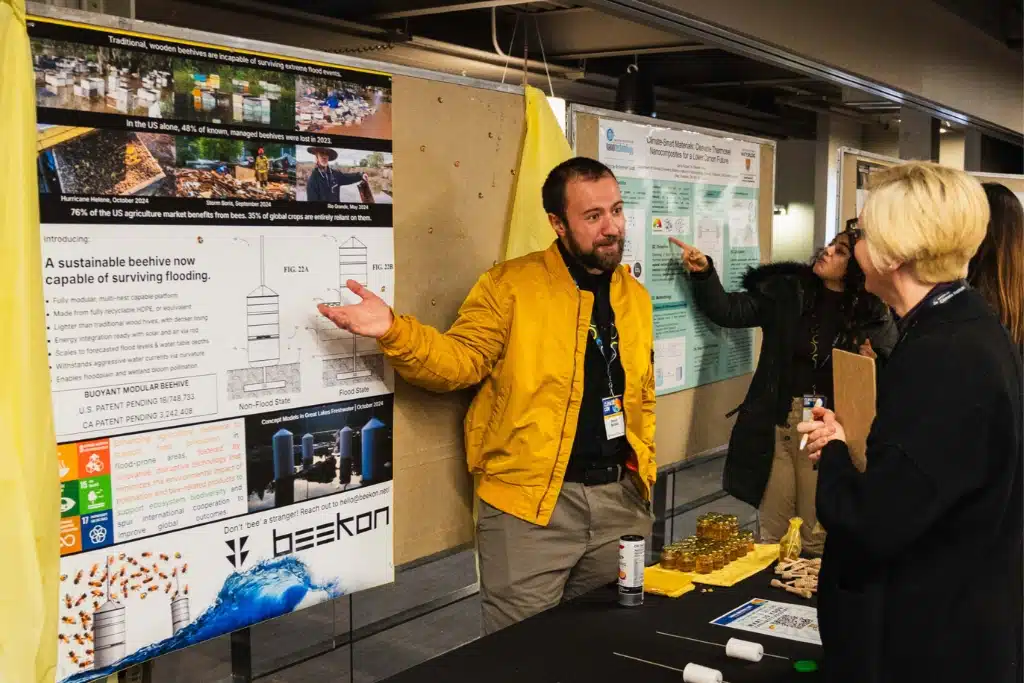
In 2023, Konrad Borowski was watching a documentary with his mother when he learned about a beekeeper in the Philippines who had lost around 200 hives overnight due to flooding.
The story prompted him to research possible solutions. With a background in mechanical and systems design, he quickly began developing a prototype using computer-aided design tools.
Within a week, he produced an early concept that would become the Beekon hive: a buoyant, modular beehive constructed from recycled plastic.
How the Beekon hive works
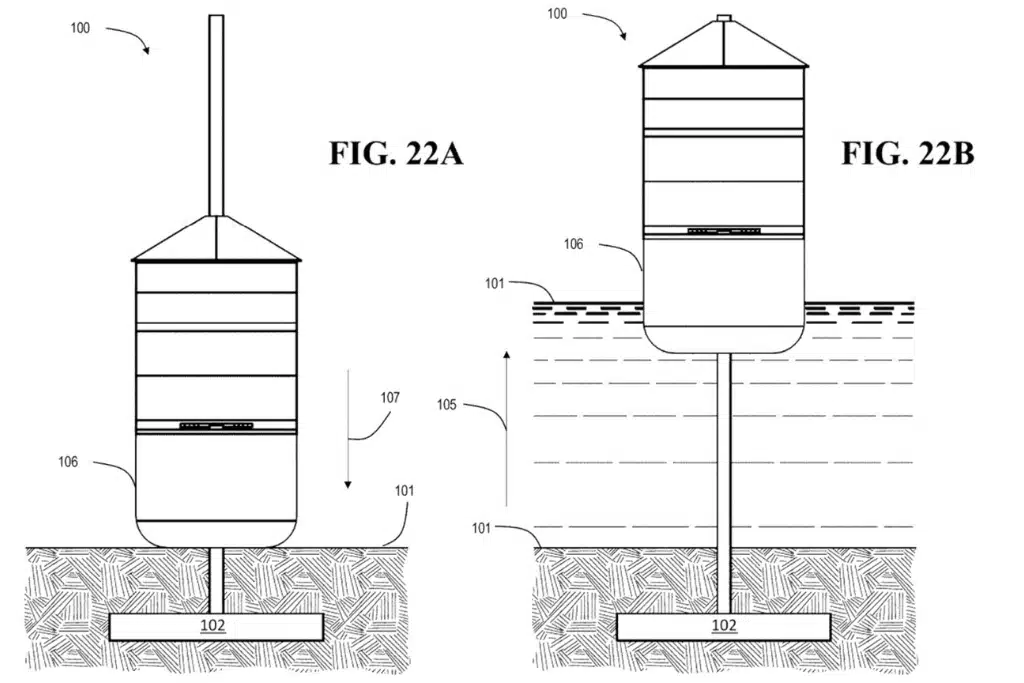
The design functions like a floating system anchored to the ground.
It consists of:
- a central mast fixed to the soil
- a hive structure that can move vertically
- a buoyant outer frame acting like a life ring
When floodwaters rise, the hive floats upward along the mast, keeping the colony above water. As water levels fall, the structure returns to its original position on the ground.
Unlike traditional mitigation methods such as relocating hives or building elevated platforms, the Beekon hive is designed to be self-activating, requiring no human intervention once installed.
Why traditional hives are vulnerable
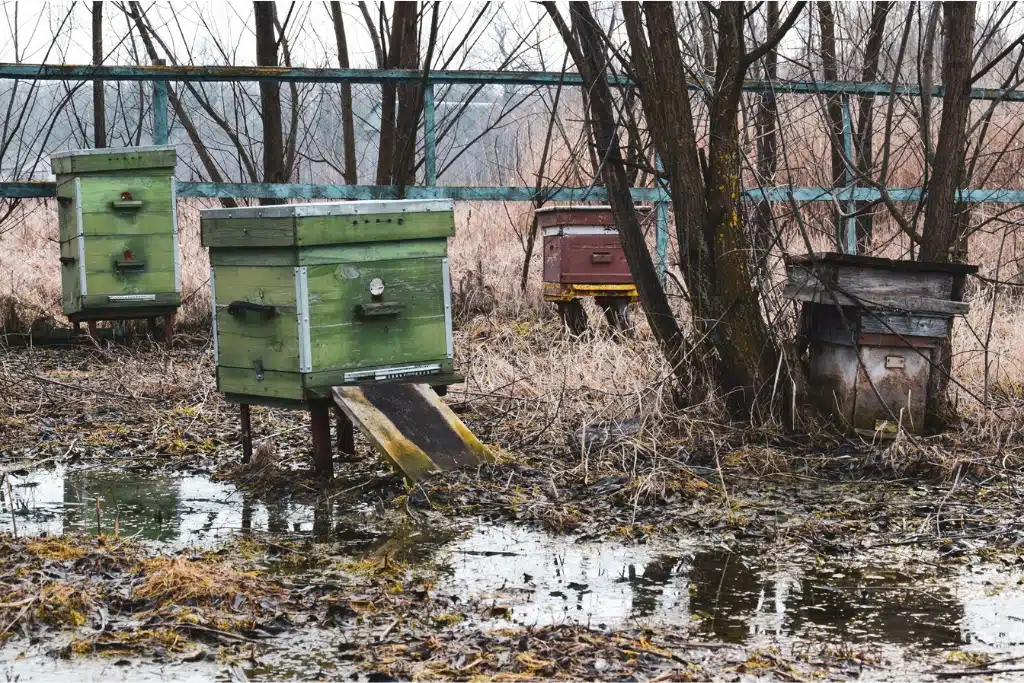
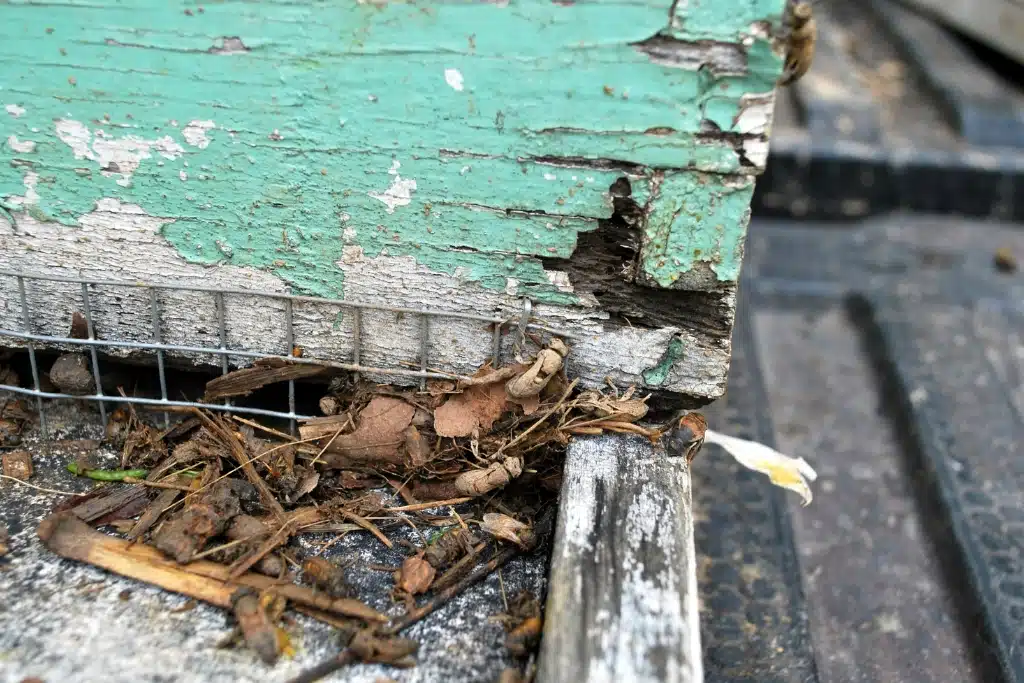
Conventional beehives are typically made of wood, which is highly vulnerable to moisture. Prolonged exposure to water creates damp conditions that encourage pests and pathogens such as Varroa mites and hive beetles.
According to Borowski, the standard wooden hive design has changed little in more than 200 years, and is increasingly mismatched to modern environmental conditions.
He notes that beekeeping is often concentrated near agricultural land and water sources — exactly the areas most exposed to flooding risks.
He argues that this combination creates a serious vulnerability:
“We are facing the potential loss of pollination services to entire ecosystems in a matter of moments.”
Why bees matter for ecosystems and food systems
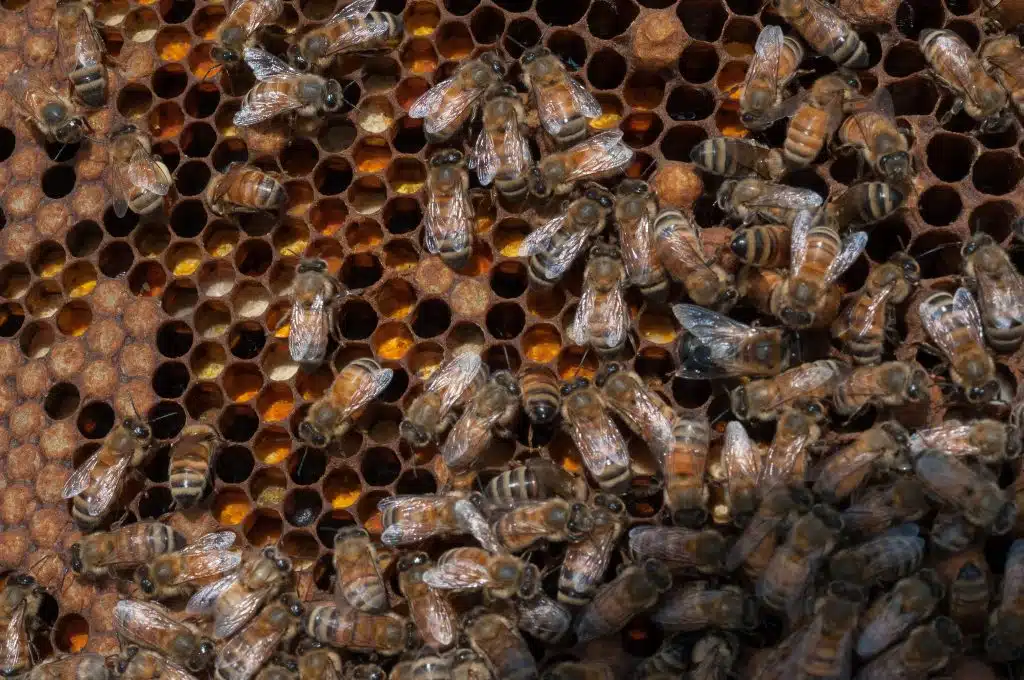
Bees are responsible for the majority of global pollination services.
Key figures include:
- Pollinators support about 35% of global agricultural land
- Bees perform roughly 90% of that pollination work
- In the US alone, honeybees contribute around $15 billion annually to agriculture
Without bees, many crops would become more expensive or significantly harder to produce.
Beyond agriculture, bees play a central role in maintaining biodiversity. They facilitate plant reproduction and genetic diversity by transferring pollen between species.
Many animals also depend on bees directly or indirectly, including birds, reptiles, and insects that feed on them or rely on honey and beeswax.
Declining bee populations worldwide
Bee populations are under significant pressure globally.
Key trends include:
- Around 35% of invertebrate pollinators are at risk of extinction
- Extinction rates are estimated to be 100–1,000 times above natural levels
- A 25% decline in recorded bee species has been observed between 2006 and 2015
- In Europe, 1 in 10 wild bee species is at risk
- In North America, around 1 in 5 pollinators face extinction risk
Drivers of decline include:
- industrial agriculture and pesticide use
- habitat loss and biodiversity reduction
- rising temperatures and shifting climate zones
- extreme weather events and irregular seasonal cycles
- pests such as Varroa mites
Borowski describes the situation as a combination of overlapping pressures that weaken both managed and wild colonies.
He adds that recent years have seen extremely high hive losses in the US, driven by multiple stressors including parasites, chemicals, and climate instability.
Climate change and flooding as a growing threat
Extreme rainfall and flooding events are becoming an additional threat to bee survival.
Floodwaters can destroy hives directly, while also wiping out surrounding vegetation that provides essential forage. Recovery can take weeks or months, during which colonies may starve.
As a result, flooding is increasingly viewed as a major risk factor alongside heat stress and habitat loss.
Scaling climate-resilient beekeeping
Borowski estimates that flood-resistant hive designs like Beekon could reduce large-scale economic losses in apiculture, potentially saving hundreds of millions of dollars globally each year.
He also suggests the technology could expand beekeeping into regions previously considered too risky, including flood-prone riversides, wetlands, mangroves, and marshlands.
However, development has faced setbacks. An initial pilot project in Malawi was paused after funding disruptions, but a new trial is being planned in Nepal.
Additional innovations for bee survival
Other technological approaches are also emerging.
One example is a synthetic bee “superfood” developed using CRISPR-related biotechnology. This yeast-based supplement contains essential sterols that can support bee nutrition when natural pollen is unavailable.
Such innovations could help colonies survive periods of environmental stress, including post-flood recovery phases.
Adapting to a changing world
Despite the severity of global pollinator decline, researchers and innovators emphasize that adaptation is still possible.
Bees are already shifting their ranges and adjusting behaviors in response to changing climates.
The article frames solutions like flood-resilient hives, habitat protection, and nutritional substitutes as part of a broader effort to stabilize pollinator populations.
As Borowski puts it:
“There is no Planet B, but there is a Planet Bee.”